As the automotive industry continues to evolve, more consumers are considering electric vehicles (EVs) as an alternative to traditional gasoline-powered cars. However, the terms EV and electric car are often used interchangeably, leading to some confusion. While both types of vehicles rely on electricity, there are important differences in their design, functionality, and environmental impact. Understanding the distinction between EVs and electric cars can help potential buyers choose the best option for their driving needs. In this article, we’ll break down the difference between these two terms, explore their unique features, and help clarify which option might be right for you.
EV (Electric Vehicle)
1.Definition:
An EV (Electric Vehicle) refers to any vehicle powered either entirely or partially by electricity. The term "EV" encompasses a range of vehicles, from fully electric vehicles to hybrids that use both electricity and gasoline. EVs include Battery Electric Vehicles (BEVs), Plug-in Hybrid Electric Vehicles (PHEVs), Hybrid Electric Vehicles (HEVs), and Fuel Cell Electric Vehicles (FCEVs).
2.Range of Vehicles:
BEVs (Battery Electric Vehicles):
These are fully electric vehicles that operate solely on electricity stored in a battery. They have no gasoline engine and are charged through an external electric power source (such as a home charger or public charging stations).
Example: Tesla Model 3, Nissan Leaf.
PHEVs (Plug-in Hybrid Electric Vehicles):
PHEVs combine an electric motor with a gasoline engine, allowing the vehicle to run on electricity for short distances (typically 20-50 miles) and use gasoline for longer trips. The electric motor can be charged via a plug, making these vehicles flexible in terms of fuel usage.
Example: Toyota Prius Prime, Ford Escape PHEV.
HEVs (Hybrid Electric Vehicles):
HEVs use both an electric motor and a gasoline engine, but unlike PHEVs, their batteries cannot be plugged in. Instead, the battery is charged through regenerative braking and by the gasoline engine itself. This setup improves fuel efficiency without needing external charging.
Example: Toyota Prius, Honda Insight.
FCEVs (Fuel Cell Electric Vehicles):
FCEVs are powered by hydrogen fuel cells, which generate electricity through a chemical process involving hydrogen and oxygen. The only byproduct is water vapor, making FCEVs a zero-emissions alternative. However, they require hydrogen refueling stations, which are limited in number.
Example: Toyota Mirai, Hyundai Nexo.
3.Scope:
The term EV is a broad category that covers all vehicles powered by electricity, including both fully electric vehicles (BEVs) and hybrids (PHEVs, HEVs, and FCEVs). It includes vehicles that rely solely on electricity as well as those that combine electricity and gasoline or hydrogen, providing a flexible range of options for consumers.
Electric Car
1.Definition:
An electric car specifically refers to a Battery Electric Vehicle (BEV), which is powered entirely by an electric motor that draws energy from electricity stored in its batteries. Unlike hybrid vehicles or plug-in hybrids, electric cars do not rely on an internal combustion engine (ICE) or any form of gasoline. They are charged via an external power source, such as a home charging station or a public charging station, and run exclusively on electricity.
2.Range of Vehicles:
Electric Cars (BEVs):
The term electric car is synonymous with Battery Electric Vehicles (BEVs), which are designed to operate solely on electric power. BEVs do not have a gasoline engine, making them completely electric. These vehicles are equipped with large batteries that must be regularly recharged from an external source.
The driving range of BEVs typically varies from 150 to 370 miles per full charge, depending on the model and the battery capacity. Range can be influenced by factors such as driving conditions, weather, and the use of accessories (like air conditioning or heating).
Charging: BEVs are recharged using public or home charging stations, with varying charging speeds. Fast-charging stations can provide significant charge in under 30 minutes, while home charging typically takes several hours to fully charge the vehicle’s battery.
3.Scope:
The term electric car is a more specific and refined term compared to EV (Electric Vehicle). While EV refers to all vehicles powered, either partially or fully, by electricity, electric cars are specifically Battery Electric Vehicles (BEVs) that are fully electric and do not rely on any fuel other than electricity.
Electric cars are purely electric, whereas other EVs such as Plug-in Hybrid Electric Vehicles (PHEVs) and Hybrid Electric Vehicles (HEVs) still use gasoline engines in conjunction with their electric motors.
Examples of popular electric cars include:
Tesla Model 3: Known for its impressive range, performance, and cutting-edge technology.
Nissan Leaf: One of the most affordable electric cars, offering good value for those new to electric vehicles.
Chevrolet Bolt: A compact electric vehicle with a long-range capability at a competitive price.
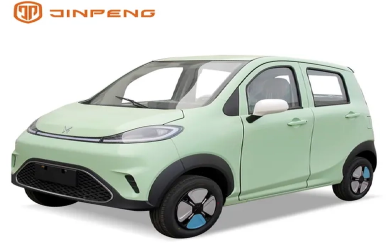
Technological Differences Between EVs and Electric Cars
1.Powertrain Setup:
Electric Cars (BEVs):
Electric cars are 100% electric and are powered solely by an electric motor that draws energy from a battery. There is no gasoline engine in a BEV, making it a completely electric vehicle with a simpler and more efficient powertrain. Because BEVs have fewer moving parts and no gasoline engine, they tend to be more energy-efficient in the long run, with fewer maintenance needs compared to vehicles that rely on internal combustion engines (ICE) or hybrid powertrains.
EVs (Electric Vehicles):
The term EV covers a broader range of vehicles, including Battery Electric Vehicles (BEVs), Plug-in Hybrid Electric Vehicles (PHEVs), Hybrid Electric Vehicles (HEVs), and Fuel Cell Electric Vehicles (FCEVs). These vehicles can have a variety of powertrain configurations. For example:
PHEVs have both an electric motor and a gasoline engine, which can operate independently or together, giving them flexibility in terms of power sources. The electric motor handles short trips, while the gasoline engine ensures the vehicle can go longer distances without needing to recharge.
HEVs also combine an electric motor and a gasoline engine, but they don’t require external charging. The battery in HEVs is charged through regenerative braking and the gasoline engine itself, making them more fuel-efficient than traditional gasoline vehicles.
FCEVs are powered by hydrogen fuel cells, which generate electricity to power the motor, emitting only water vapor as a byproduct. These vehicles require hydrogen refueling rather than recharging via electrical power sources.
2.Range and Refueling/Charging Options:
Electric Cars (BEVs):
Electric cars are typically limited to a range of 150 to 370 miles, depending on factors like the model, battery capacity, and driving conditions. These vehicles need to be recharged at public charging stations or home chargers, which can take anywhere from 30 minutes to several hours depending on the charging speed and the charger type. While the range is improving with advancements in battery technology, BEVs are still limited by the availability of charging infrastructure and the time it takes to recharge.
EVs (Electric Vehicles):
PHEVs and HEVs offer more flexibility because they combine electric and gasoline power. For instance, PHEVs can run on electricity for shorter distances (typically 20-50 miles) and switch to gasoline for longer trips, alleviating range anxiety. This allows drivers to travel without worrying about finding charging stations, especially on longer trips. HEVs, while offering no electric-only range, improve fuel efficiency with a combination of electricity and gasoline, but they still need regular gasoline refueling.
FCEVs (Fuel Cell Electric Vehicles), unlike BEVs or PHEVs, require hydrogen refueling stations. These stations are still quite limited in number, which can restrict the practicality of FCEVs depending on the region. However, FCEVs have a similar range to traditional gasoline vehicles, typically offering between 300 to 400 miles per refuel.
Environmental Impact
1.Electric Cars (BEVs):
Battery Electric Vehicles (BEVs) are the most eco-friendly option within the EV category due to their zero tailpipe emissions. They produce no pollutants such as carbon dioxide (CO2), nitrogen oxides (NOx), or particulate matter.
Renewable Energy Potential:
When charged using renewable energy sources like solar or wind, BEVs significantly reduce their carbon footprint and contribute to lower greenhouse gas emissions, making them a key solution for cleaner transportation and combating climate change.
2.EVs:
Other types of EVs, such as PHEVs, HEVs, and FCEVs, also reduce emissions compared to traditional gasoline-powered vehicles but are not fully emissions-free.
PHEVs and HEVs:
PHEVs combine an electric motor with a gasoline engine. They produce emissions when using gasoline, with the environmental impact depending on how often the gasoline engine is used.
HEVs also use gasoline alongside electricity. While more efficient than traditional cars, they still produce emissions when running on gasoline.
FCEVs (Fuel Cell Electric Vehicles):
FCEVs produce water vapor as a byproduct, making them tailpipe emissions-free. However, their environmental impact depends on how hydrogen is produced. If it comes from fossil fuels, the environmental benefits are reduced. Green hydrogen (produced from renewable energy) makes FCEVs much cleaner, but hydrogen infrastructure remains limited.
FAQ: Environmental Impact of Electric Cars
1.Are electric cars (BEVs) environmentally friendly?
Yes, Battery Electric Vehicles (BEVs) are the most eco-friendly type of EV, producing zero tailpipe emissions. When charged with renewable energy, they significantly reduce greenhouse gas emissions and contribute to cleaner air.
2.Do PHEVs produce emissions?
Plug-in Hybrid Electric Vehicles (PHEVs) reduce emissions compared to gasoline cars but still produce emissions when running on gasoline. The environmental impact depends on how often the gasoline engine is used.
3.Are hybrid cars (HEVs) better for the environment?
Hybrid Electric Vehicles (HEVs) are more fuel-efficient than conventional cars but still rely on gasoline, so they are not emissions-free. However, they reduce emissions compared to traditional gasoline-powered vehicles.
4.How environmentally friendly are Fuel Cell Electric Vehicles (FCEVs)?
FCEVs emit only water vapor but depend on hydrogen. If hydrogen is produced using fossil fuels, the benefits are reduced. Green hydrogen, produced from renewable energy, makes FCEVs a much cleaner alternative. However, hydrogen refueling infrastructure is limited.
Conclusion
The key distinction between EV and electric car is that EV is an umbrella term that includes all vehicles powered partially or fully by electricity, including hybrids and fuel cell vehicles. On the other hand, an electric car specifically refers to a Battery Electric Vehicle (BEV), which operates entirely on electricity. While both contribute to reducing emissions, electric cars are fully electric with zero tailpipe emissions, while other EVs may still rely on gasoline or hydrogen as part of their powertrain. Understanding these terms will help you make a more informed decision when exploring electric-powered transportation options.


