When buyers first research electric mobility products for international markets, one of the first questions they ask is about eec cars type. The term often appears in product catalogs, distributor inquiries, and vehicle listings, yet it does not describe just one kind of vehicle. Instead, it refers to several categories of electric mobility solutions designed for different purposes, environments, and users. Understanding the various eec cars type options helps distributors, fleet buyers, and mobility businesses determine which electric vehicle category best suits their market needs and transportation goals.
Why “Type” Matters More Than Many Buyers Expect
Many first-time buyers approach electric mobility as if all EEC vehicles were essentially the same. In reality, the differences between vehicle structures can significantly affect how they perform, where they are used, and who benefits from them.
The Same Certification Idea Can Still Cover Very Different Vehicles
Electric mobility products designed for regulated markets may share certain compliance principles, but they are not limited to a single vehicle format. A compact electric car, a lightweight motorcycle, and a cargo-capable tricycle may all belong to the same broad category while serving very different transportation purposes.
Because of this, simply searching for an electric vehicle is not enough. Buyers must evaluate how the structure and design of a vehicle align with their intended use.
Why Body Structure Changes Comfort, Capacity, and Use Case
The physical design of a vehicle influences nearly every aspect of how it performs. Four-wheel electric cars often prioritize passenger protection and comfort. Motorcycles emphasize maneuverability and speed in dense urban traffic. Three-wheel electric vehicles balance stability with cargo or passenger versatility.
This structural variation means each category addresses a different mobility problem.
Why Choosing the Wrong Type Creates Long-Term Dissatisfaction
Selecting the wrong vehicle type can lead to operational inefficiencies. For example, a compact electric motorcycle may be ideal for short urban errands but unsuitable for transporting goods. Similarly, a cargo tricycle designed for deliveries may not provide the comfort expected by private passenger users.
Carefully understanding vehicle categories helps buyers avoid these mismatches and make more confident purchasing decisions.
The Main Product Groups Buyers Usually See Under EEC Cars
Most electric mobility portfolios divide vehicles into three primary groups. Each category is built to address different transport requirements and customer expectations.
EEC Electric Car
Compact electric cars are the most recognizable category in the EEC mobility segment. These vehicles typically feature four wheels, enclosed cabins, and a comfortable passenger environment.
Their structure provides improved protection from weather conditions while maintaining a compact footprint that works well in urban environments. For many private users and small-scale transport services, these vehicles offer a balance between practicality and ease of operation.
EEC Electric Motorcycle
Electric motorcycles represent another important part of the market. These vehicles are designed for personal mobility and are commonly used for commuting or short-distance travel.
Their lightweight construction and narrow profile allow them to navigate congested streets easily. Riders often appreciate their agility and convenience when traveling through busy city areas.
EEC Electric Tricycle
Electric tricycles provide one of the most flexible transportation solutions within the category. With three wheels and a larger structural frame, these vehicles can support both passenger and cargo applications.
Passenger versions offer comfortable seating arrangements, while cargo variants provide substantial storage capacity. Because of this versatility, electric tricycles are widely used in delivery services, local transport, and small business operations.
What Makes an EEC Electric Car Different
Among the different vehicle categories, the electric car format often attracts buyers seeking a more familiar driving experience.
Enclosed Cabin and Weather Protection
One of the main advantages of compact electric cars is the enclosed cabin structure. Drivers and passengers benefit from protection against rain, wind, and temperature changes. This design makes electric cars more suitable for year-round use compared with open vehicles.
Better Fit for Daily Commuting and Short Urban Travel
Compact electric cars are particularly effective for short-distance commuting. Their small size allows them to move easily through crowded city streets while still providing comfortable seating and basic storage space.
Because of these characteristics, they are frequently used for personal transportation, neighborhood travel, and short urban trips.
Why It Often Appeals to Private-Use and Dealer Customers
Dealers often include compact electric cars in their product lineup because they appeal to a wide range of customers. Private users appreciate their convenience, while mobility services value their practicality for urban transport.
What Makes an EEC Electric Motorcycle Different
Electric motorcycles address a different set of mobility needs compared with four-wheel vehicles.
Lightweight Structure and Agile Movement
Motorcycles are designed to be lightweight and responsive. Their smaller structure allows them to move quickly through dense traffic and narrow streets.
This agility is particularly valuable in busy urban areas where larger vehicles may struggle to maneuver efficiently.
Why It Works for Short-Distance Personal Mobility
Electric motorcycles are often chosen for quick, short-distance travel. Riders can easily park them in tight spaces and navigate crowded roads without difficulty.
For many users, this simplicity makes motorcycles one of the most convenient forms of personal electric transport.
Where It Fits Better Than a Four-Wheel Vehicle
There are situations where motorcycles outperform larger vehicles. Areas with heavy traffic congestion, limited parking space, or narrow streets often favor two-wheel mobility.
Because of this, motorcycles remain an essential part of many electric vehicle portfolios.
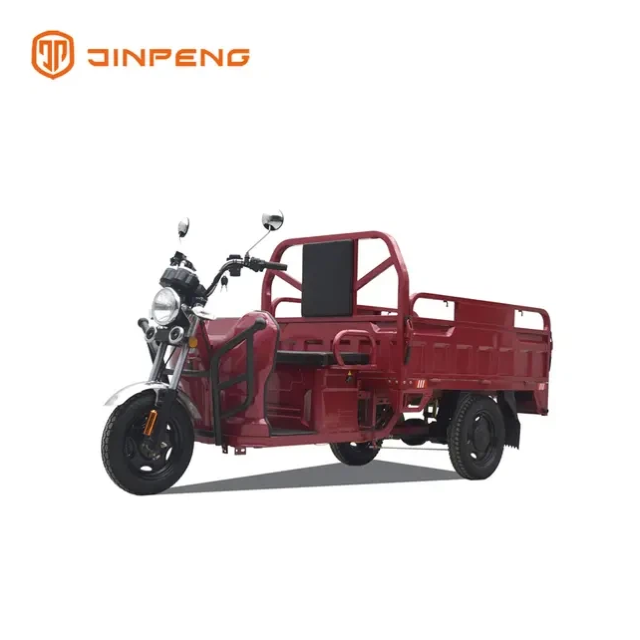
What Makes an EEC Electric Tricycle Different
Three-wheel electric vehicles occupy a unique position between motorcycles and cars.
Passenger Tricycles vs Cargo Tricycles
Passenger tricycles are designed to transport people comfortably. They typically include multiple seats and protective structures that provide stability during travel.
Cargo tricycles, on the other hand, prioritize load capacity. Their rear sections often feature large cargo compartments capable of carrying goods, packages, or equipment.
Why Three-Wheel Designs Offer Practical Versatility
The three-wheel configuration provides improved balance compared with two-wheel vehicles while remaining more compact than four-wheel cars. This design makes tricycles particularly suitable for transporting heavier loads without sacrificing maneuverability.
Where Tricycles Can Create Commercial Value
Local businesses frequently rely on electric tricycles for deliveries, market transport, and service operations. Their combination of capacity and efficiency makes them an effective tool for small-scale logistics and urban distribution.
How to Compare These Types by Real Buyer Priorities
Understanding vehicle categories is only the first step. Buyers must also evaluate how each type aligns with practical transportation priorities.
Passenger Capacity
Different vehicles accommodate different numbers of passengers. Electric cars typically offer seating for multiple passengers, while motorcycles focus on individual riders. Passenger tricycles fall somewhere between these options.
Cargo Ability
Cargo capacity varies widely between vehicle types. Tricycles designed for delivery often provide the largest cargo space, making them ideal for logistics operations.
Driving Comfort
Comfort is another important factor. Enclosed electric cars provide the most protection from weather and road conditions. Motorcycles emphasize simplicity, while tricycles balance comfort with practicality.
Maneuverability
Vehicle size and structure affect maneuverability. Motorcycles offer the highest agility in tight spaces, while compact cars still maintain good flexibility in urban environments.
Business vs Personal Use
The intended purpose of the vehicle plays a key role in determining the most suitable category. Personal users may prefer the comfort of compact cars or motorcycles, while businesses may prioritize the cargo capacity of tricycles.
Table: Quick Comparison of EEC Vehicle Types
Vehicle Type | Best For | Main Strength | Possible Limitation |
EEC Electric Car | Urban commuting and passenger travel | Comfort and weather protection | Lower cargo capacity |
EEC Electric Motorcycle | Personal mobility and quick city travel | High maneuverability | Limited passenger or cargo capacity |
EEC Electric Tricycle | Cargo transport and commercial delivery | Strong load capability | Larger size than motorcycles |
Which Type Fits Which User Best
Selecting the right vehicle category depends on how it will be used and who will operate it.
Urban Commuter
Urban commuters often prioritize efficiency and convenience. Compact electric cars and motorcycles both serve this purpose well. Cars provide greater comfort, while motorcycles offer faster movement through heavy traffic.
Local Delivery Operator
Delivery services frequently rely on cargo tricycles due to their ability to transport goods efficiently while maintaining low operating costs.
Leisure and Neighborhood Mobility User
For leisure travel and short neighborhood trips, compact electric cars provide a comfortable and user-friendly experience. Their enclosed structure and simple controls make them accessible to many drivers.
Distributor Building a Wider Product Portfolio
Distributors often include multiple vehicle categories in their product lineup. Offering electric cars, motorcycles, and tricycles allows them to serve a broader range of customers with different mobility needs.
JP Jinpeng Group has developed a comprehensive portfolio of electric mobility products that includes these key vehicle categories. As a global leader in electric tricycle manufacturing, the company supplies electric vehicles to more than 100 countries and regions worldwide, supporting distributors and mobility providers with reliable solutions for various transport applications.
Conclusion
Understanding the differences between vehicle categories is essential when evaluating electric vehicle categories designed for regulated markets. Rather than focusing on appearance alone, buyers should consider how each vehicle type fits real transportation needs, road conditions, and user expectations. JP Jinpeng provides a wide range of electric mobility products, including EEC electric cars, electric motorcycles, and electric tricycles, helping distributors and fleet operators build practical mobility solutions for diverse markets.
If you would like to explore available vehicle options or learn more about electric mobility solutions, contact us to discover how JP Jinpeng electric vehicles can support your business and transportation projects.
FAQ
What are the main EEC cars types available in the market?
The main categories typically include compact electric cars, electric motorcycles, and electric tricycles. Each type is designed for different transportation needs such as commuting, personal mobility, or cargo delivery.
Which EEC vehicle type is best for cargo transport?
Electric tricycles are usually the most suitable option for cargo transport because they offer large storage areas and stable structures designed for carrying goods.
Are EEC electric motorcycles suitable for daily commuting?
Yes. Electric motorcycles are widely used for short-distance commuting because they are lightweight, easy to maneuver, and convenient for urban travel.
Why do distributors offer multiple EEC vehicle types?
Different customers have different transportation needs. Offering several vehicle categories allows distributors to serve personal mobility users, delivery businesses, and fleet operators within the same market.


