Fleet managers often misjudge their actual vehicle requirements. Under-specifying a fleet causes rapid battery degradation and excessive mechanical wear. Conversely, over-specifying wastes valuable capital expenditure. Vehicle capacity goes far beyond a simple passenger head count. Real commercial capacity encompasses absolute payload limits, motor torque for steep terrains, and a reliable continuous operational range.
Project managers need a clear, objective framework to navigate these operational variables. We aim to guide fleet operators through this critical capacity evaluation process. You will discover an evidence-based approach for assessing structural specifications and battery limits. We will help you categorize your exact operational needs effectively. You will also learn how to select a highly reliable manufacturing partner. This guide ensures your final vehicle deployment precisely matches your daily operational realities.
Key Takeaways
- Capacity requirements must be reverse-engineered from daily utilization rates, peak payload estimates, and terrain topography.
- Standard passenger ratings often exclude the added weight of modular accessories or specific cargo modifications.
- High-grade commercial projects require rigorous vetting of electric passenger tricycle specifications to ensure compliance and longevity.
- Selecting a vetted electric passenger tricycle supplier is as critical as the vehicle specs, directly impacting maintenance downtime and total cost of ownership (TCO).
Defining Your Operational Baseline Before Evaluating Capacity
Before reviewing external brochures, you must analyze internal operational data. We strongly recommend establishing a strict operational baseline. This baseline prevents costly procurement mistakes.
Analyze Peak Payload vs. Average Payload
Many fleet operators mistakenly calculate their baseline using an average payload. This approach creates severe operational bottlenecks. You must differentiate between the maximum weight the tricycle carries during peak hours versus its standard load. For instance, a vehicle might carry two passengers during midday lulls. However, morning rush hours might push it to a full six-passenger capacity plus heavy luggage. You must calculate this peak payload accurately. It dictates the structural requirements of your chassis and suspension. Designing your fleet around the peak payload prevents sudden mechanical failures during your busiest operational hours.
Identify Topographical and Environmental Constraints
Terrain dramatically impacts baseline performance and fleet longevity. You must map out how gradient changes impact motor strain. Continuous steep inclines drain battery reserves rapidly. They require specialized gearing systems and higher torque outputs to prevent stalling under load. Surface conditions also dictate capacity requirements. Paved urban roads allow for standard suspensions and standard tire profiles. Conversely, uneven resort pathways or gravel campus trails demand upgraded suspension capacity. They also require puncture-resistant commercial tires. We advise physically surveying your intended routes. Document every steep hill and rough patch before evaluating spec sheets.
Determine Duty Cycles
Duty cycles represent the beating heart of your operational baseline. You must map out the exact hours of continuous operation per day. This metric heavily dictates your necessary battery chemistry. Traditional lead-acid batteries handle lighter, intermittent shifts well. They require long cooling and charging periods. Lithium-ion (Li-ion) systems support rigorous, all-day commercial operations. They allow for rapid opportunity charging during driver breaks. Your specific duty cycle directly influences the necessary amp-hour (Ah) capacity. Calculate active drive time versus idle time meticulously. Accurate duty cycle mapping prevents mid-shift vehicle strandings.
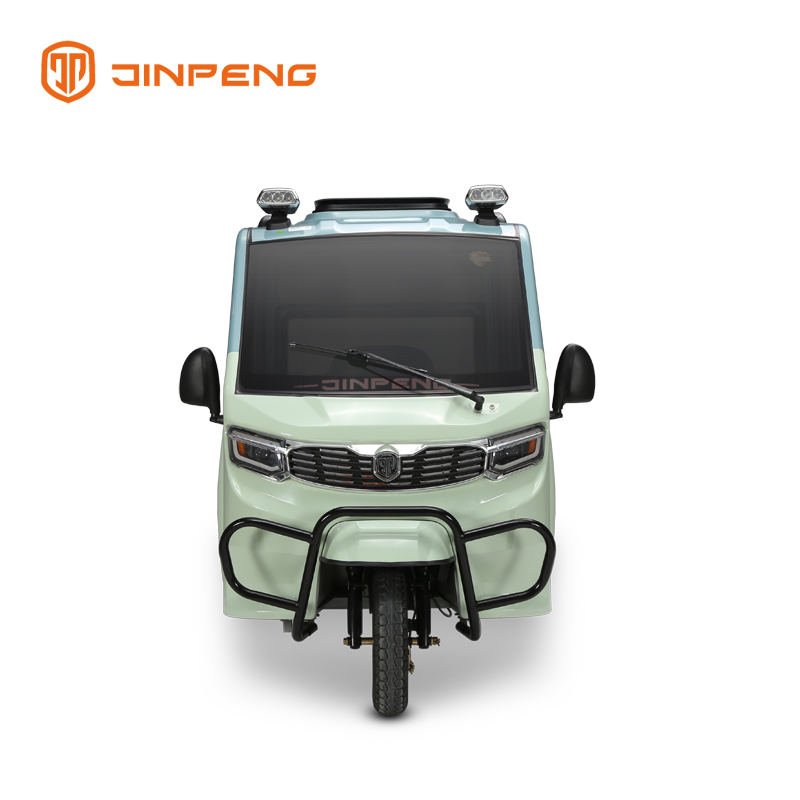
High-grade commercial projects require careful vetting. You must review specific technical details to ensure project success. Do not rely on basic consumer brochures.
Motor Power and Torque Equivalents
Clarify the crucial difference between continuous wattage and peak wattage. Continuous wattage represents the normal running power the motor sustains indefinitely without overheating. Peak wattage is the maximum short-term burst available for overcoming steep hills or accelerating from a dead stop under full load. Flat terrains and light passenger use usually require continuous 500W to 750W motors. Commercial multi-passenger transport necessitates 1000W or higher outputs. High-torque hub motors or advanced mid-drive systems prevent the vehicle from stalling under heavy passenger loads.
Structural Weight Limits (GVWR)
Gross Vehicle Weight Rating (GVWR) is arguably the most critical structural metric. It defines the absolute maximum safe operating weight of the e-trike. This strict limit includes the base vehicle weight, the driver, passengers, and any modular accessories. Chassis materials heavily influence this vital number. High-carbon steel frames offer immense structural durability. They support exceptionally high passenger capacities but add significant base weight. Aluminum alloy frames reduce the initial vehicle weight. However, they often feature lower maximum payload limits. Always cross-reference the manufacturer's GVWR against your meticulously calculated peak payload estimates.
Battery Range vs. Payload Penalty
A fully loaded vehicle directly correlates to diminished battery range. Heavier payloads demand significantly more electrical current from the battery pack to maintain cruising speed. This elevated power draw drains the available amp-hour capacity much faster. We strongly advise fleet managers to discount manufacturer range claims. These claims usually reflect ideal conditions with a single lightweight rider on perfectly flat terrain. Deduct 20% to 30% from the advertised range for accurate real-world commercial planning.
Table: Battery Range Reduction Estimates Based on Payload
| Operational Load Profile | Passenger Count | Expected Range Penalty | Ideal Use Case |
| Standard / Average Load | 1-2 Passengers | 5% - 10% Reduction | Light Campus Transit |
| Moderate Commercial Load | 3-4 Passengers | 15% - 20% Reduction | Urban Taxi Fleets |
| Peak Payload / Heavy-Grade | 5-6 Passengers + Cargo | 25% - 35% Reduction | Resort & Facility Operations |
Scenario-Based Capacity Matching
Different commercial projects require distinct vehicle setups. We break down three common commercial scenarios to help you match capacity to application.
Urban Micro-Mobility & Taxi Fleets (2–3 Passengers)
Urban environments demand rapid maneuverability. You need narrow vehicles capable of navigating tight traffic safely.
Priority: Agility, quick acceleration, and stop-and-go battery efficiency.
Ideal Specs: We recommend mid-drive motors because they offer superior torque sensing and smoother power delivery. Hydraulic disc brakes ensure absolute safety during frequent, unpredictable stops. Modular weather canopies protect passengers year-round, boosting fare consistency. A standard electric passenger tricycle excels in this fast-paced environment. It balances a compact physical footprint with adequate, safe payload support.
Hospitality, Resorts, and Campus Transit (4–6 Passengers)
Passenger comfort reigns supreme in hospitality and luxury settings. The vehicles must remain highly stable at low, scenic cruising speeds.
Priority: Comfort, high payload capacity, and low-speed stability.
Ideal Specs: Select models featuring heavy-duty independent suspension systems. A wider track and extended wheelbase prevent tipping on uneven tourist paths. Step-through frame designs ensure easy accessibility for elderly guests or passengers carrying luggage. Dual-battery setups guarantee all-day utility without forcing drivers to take mid-shift charging breaks.
Heavy-Grade (HG) and Hybrid Cargo Applications
Industrial campuses and large project sites demand versatile dual-purpose vehicles. They must transport maintenance personnel one hour and haul heavy facility equipment the next. This scenario is exactly where an electric passenger tricycle hg becomes completely essential.
Ideal Specs: These heavy-grade models require heavily reinforced rear axles to prevent bending under localized weight. Fold-down modular seating allows rapid conversion from personnel transport to flatbed cargo transport. Torque-heavy hub motors ensure the vehicle can overcome static inertia when moving massive equipment weights across the facility.
Evaluating Security, Compliance, and Implementation Risks
Deploying a commercial fleet involves more than just purchasing hardware. You must proactively navigate regulatory compliance and operator safety protocols.
Regulatory Compliance
Map out local regulatory laws early in your project timeline. Jurisdictions often dictate specific speed limits for multi-passenger electric vehicles. They rigorously enforce required lighting arrays, horn decibel levels, and mirror placements. These specific laws dictate which capacity class remains street-legal in your operating area. Ignoring these regulations invites costly municipal fines and forces fleets off the road. Ensure your chosen vehicle ships with all required safety homologations.
Braking Systems Under Load
Operating at maximum passenger capacity puts immense kinetic strain on your brakes. Single braking systems or standard bicycle brakes often fail completely under commercial duty cycles. We emphasize the absolute necessity of robust dual-braking systems. Combining front hydraulic disc brakes with heavy-duty rear drum or dual-disc setups is mandatory. It ensures safe stopping distances during peak payload operations. Weak brakes represent the highest liability risk for commercial fleet operators.
Rollout Risks
Fleet operators face a steep learning curve during initial rollouts. Handling heavily loaded tricycles requires distinct driving techniques compared to standard bicycles. Wider turning radiuses catch many inexperienced drivers off guard. Greatly increased braking distances demand proactive traffic scanning.
Common Implementation Mistakes to Avoid:
- Skipping load-specific driver training sessions prior to fleet launch.
- Ignoring daily tire pressure checks, leading to rapid sidewall wear.
- Allowing unauthorized cargo modifications that unbalance the vehicle's center of gravity.
Selecting the right manufacturing partner dictates your operational success. A reliable factory offers deep transparency and robust post-sale support.
Supply Chain Transparency
Vet potential suppliers heavily based on their supply chain visibility. They should willingly provide exact component sourcing details without hesitation. Ask for specific motor brands, controller models, and battery cell manufacturers. Opaque sourcing often hides substandard internal components that fail rapidly under commercial strain. A transparent supplier proudly showcases their engineering partnerships.
Post-Sale Support and Parts Availability
Assess the exact Service Level Agreement (SLA) for critical replacement parts. Controllers, throttles, and batteries require eventual replacement. Extended international shipping delays cause unacceptable fleet downtime. Demand clear, contractual timelines for critical spare parts delivery. Verify that the supplier maintains domestic warehouses or reliable rapid-shipping channels for essential maintenance items.
Warranty Realities
Instruct your procurement team to scrutinize all warranty fine print. Many manufacturers sneak in subjective "wear and tear" exclusions. They also frequently stipulate that high-capacity commercial usage entirely voids standard residential warranties. Negotiate commercial-grade warranty terms before signing bulk contracts. Ensure the warranty explicitly covers structural frame integrity and battery degradation under your documented duty cycles.
Pilot Testing
Never commit to a massive fleet purchase blindly based on a sales pitch. We highly recommend negotiating a single-unit pilot test first. Run this test unit under your actual project conditions for at least thirty days. Monitor the vehicle closely during peak hours with maximum payloads. Gather honest driver feedback regarding handling, braking confidence, and actual battery performance.
Conclusion
Achieving optimal fleet capacity requires a delicate balancing act. You must align your maximum passenger counts with precise motor and battery limits. Environmental realities, like steep inclines and rough surfaces, further dictate your necessary structural reinforcements. Relying on basic consumer models for rigorous commercial transport ultimately leads to catastrophic mechanical failures.
Actionable Next Steps:
- Document your exact daily duty cycles and peak operating hours today.
- Record your peak payload requirements meticulously, accounting for both passengers and cargo.
- Request highly specific component data sheets from your short-listed vendors.
Do not rely on generic marketing brochures. Demand transparent engineering specifications to guarantee your long-term fleet success and passenger safety.
FAQ
Q: How much weight can a standard electric passenger tricycle carry?
A: Standard capacities range from 300 lbs to over 800 lbs, depending heavily on the chassis construction. Buyers must check the structural Gross Vehicle Weight Rating (GVWR) rather than just looking at motor wattage. Strong motors cannot compensate for weak, unreinforced frames. Always verify that the axles can support your expected maximum payload.
Q: Does carrying more passengers degrade the battery faster?
A: Yes. Carrying maximum passengers causes significant voltage sag under heavy load. The motor pulls higher continuous current to move the extra weight. This elevated thermal stress impacts long-term battery cell degradation. Fleet managers should oversize their battery capacity slightly to mitigate this continuous deep-cycling damage over time.
Q: What is the difference between a residential e-trike and a commercial-grade passenger tricycle?
A: Residential models feature lighter frames, basic suspensions, and lower torque outputs. They primarily suit intermittent daily trips. Commercial units boast reinforced axles, heavy-duty suspension, and mandatory dual-braking systems. They are specifically engineered for grueling 8 to 12-hour daily duty cycles and include strict compliance-ready safety features.


