Electric rickshaws are revolutionizing urban transportation with their eco-friendly and cost-effective design. These vehicles are becoming an essential part of sustainable transport, especially in crowded cities.
In this article, we’ll walk you through the process of making an electric rickshaw. You'll learn about its key components, technology, and the manufacturing steps involved.
What Are the Key Components of an Electric Rickshaw?
The Chassis and Frame
The chassis serves as the backbone of an electric rickshaw. It provides structural support and ensures stability while on the road. A solid frame allows the vehicle to withstand stress and heavy loads.
Materials used for the chassis vary. Mild steel is often chosen for its strength, while aluminum offers a lightweight alternative. Fiberglass can also be used, providing a balance between durability and weight.
Battery and Power System
Electric rickshaws rely on rechargeable batteries for power. The most common types are lead-acid and lithium-ion batteries. Lead-acid batteries are cheaper but have a shorter lifespan, while lithium-ion batteries offer better performance and longer life.
The capacity of the battery impacts the rickshaw’s range and overall performance. A larger capacity means the vehicle can travel further on a single charge, which is crucial for daily operations.
The Motor and Electrical System
Most electric rickshaws use a brushless DC motor (BLDC). These motors are efficient and require minimal maintenance, making them ideal for e-rickshaws.
The electrical system controls the flow of power from the battery to the motor. This system ensures the vehicle operates smoothly, adjusting speed and performance based on the driver’s input.
Wheels, Suspension, and Differential Mechanism
The rear wheels of an electric rickshaw are equipped with a differential mechanism. This allows the wheels to rotate at different speeds, making it easier to turn and maneuver, especially in tight spaces.
Wheels and suspension play a key role in ensuring the ride is smooth and stable. The suspension absorbs shocks from rough terrain, while the wheels provide traction for better control.
Body Design and Materials
The body of an electric rickshaw is designed to be both durable and lightweight. The materials used, such as thin iron, aluminum, and fiberglass, are carefully selected to ensure the vehicle is sturdy yet easy to handle.
The body must withstand wear and tear while keeping the overall weight low. This allows the rickshaw to carry passengers and cargo efficiently without compromising on performance.
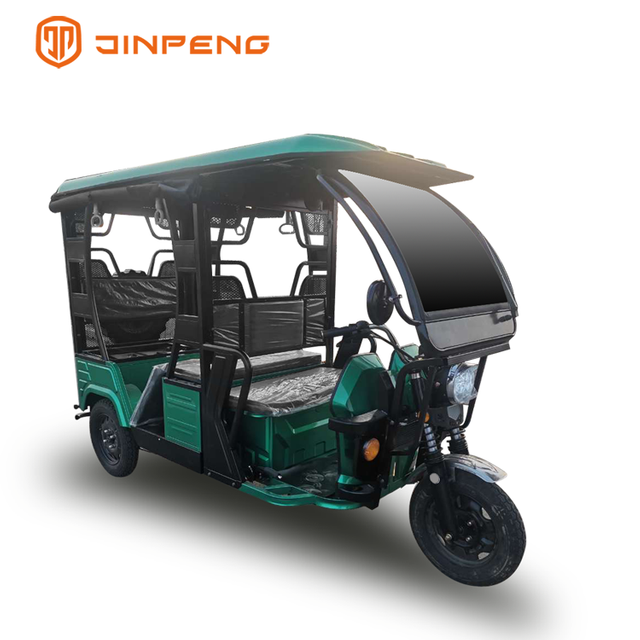
The Step-by-Step Process of Building an Electric Rickshaw
Step 1: Auto CAD Designing and Prototyping
The process starts with creating precise 3D models using AutoCAD. This software helps designers visualize the e-rickshaw’s structure, ensuring accuracy before production.
Prototyping is crucial for testing design ideas. A prototype allows engineers to assess the model and make necessary adjustments before moving to the next stage.
Step 2: Research and Development (R&D)
R&D focuses on making sure the e-rickshaw is safe, efficient, and reliable. Engineers study battery performance, motor power, and the structural design of the vehicle.
Key areas include improving battery efficiency for better range and ensuring the motor runs smoothly for long-term use. This step helps prevent potential issues during manufacturing.
Step 3: Material Sourcing and Storage
The materials needed for the e-rickshaw are sourced from trusted suppliers. These materials are stored in a warehouse, where they are carefully checked for quality before use.
Quality checks during storage help prevent defects. This ensures that only top-quality materials go into the final product.
Step 4: Fabrication of the Chassis and Frame
Fabrication involves cutting and welding materials to form the e-rickshaw’s chassis and frame. Specialized tools are used to assemble the parts, ensuring the frame is strong and stable.
This process requires attention to detail. A well-built frame supports the entire vehicle, ensuring it can safely carry passengers and cargo.
Step 5: Sand Blasting and Powder Coating
After fabrication, the frame goes through sandblasting. This removes any dirt, rust, or debris from the surface.
Powder coating is then applied to the frame. This protective layer prevents corrosion, ensuring the e-rickshaw stays durable and lasts longer.
Step 6: Assembling the Electric Components
Next, the electric components—battery, motor, and wiring—are assembled into the frame. The motor is connected to the wheels, and the electrical system is wired to provide smooth power flow.
It’s important to ensure all components work together seamlessly. Any issues in the wiring or connections could affect performance.
Step 7: Testing and Quality Checks
Once assembled, the e-rickshaw undergoes thorough testing. Various tests check the vehicle’s performance, safety features, and battery life.
Quality checks are essential to ensure the vehicle meets safety standards and functions as expected.
Step 8: Final Assembly and Delivery
After successful testing, the e-rickshaw is ready for final assembly. This step includes adding finishing touches and preparing the vehicle for delivery.
Packing and shipping logistics are carefully planned. This ensures the e-rickshaw reaches customers safely and on time.
Step 9: Servicing and Maintenance
Regular maintenance is needed to keep the e-rickshaw running smoothly. This includes checking the battery, motor, and frame for any wear or damage.
Common issues may include battery degradation or motor performance problems. Proper servicing can help maintain the vehicle’s performance for years.
Understanding the Technology Behind Electric Rickshaws
How Does the Electric Propulsion System Work?
Electric rickshaws use an electric motor to convert electrical energy from the battery into mechanical energy. The motor turns the energy into motion, powering the wheels to move the vehicle forward.
The controller plays a crucial role in regulating how much power is sent to the motor. It manages the speed and ensures the motor operates smoothly based on the driver's input.
Charging and Recharging the E-Rickshaw
E-rickshaws can be charged in different ways. Direct charging involves plugging the vehicle into a power source, while indirect solar charging uses solar panels to charge the battery.
Charging times vary depending on the battery and the charger used. It’s essential to follow best practices for maintaining the battery, such as avoiding overcharging. Regular charging also helps extend the battery’s lifespan, ensuring better performance.
The Growing Popularity of Electric Rickshaws
Why Are Electric Rickshaws Gaining Popularity in Urban Areas?
As urban areas become more crowded, there is a growing demand for eco-friendly transportation. Electric rickshaws are a perfect solution for reducing emissions and minimizing traffic congestion.
They are ideal for short-distance travel, offering a cost-effective and efficient alternative to traditional vehicles. This makes them a popular choice for commuting within busy cities.
What Are the Key Factors Driving E-Rickshaw Adoption Globally?
Several factors are driving the global adoption of electric rickshaws. Government policies, market demand, and advancements in technology all play a role.
Governments are supporting electric vehicles through incentives, subsidies, and favorable policies. Technological improvements in batteries and electric motors have made e-rickshaws more efficient and affordable.
Government Regulations and Support for Electric Rickshaws
Governments encourage e-rickshaw adoption through various incentives, such as subsidies and tax breaks. These measures help lower the initial cost, making it easier for individuals and businesses to switch to electric rickshaws.
Safety regulations are also in place to ensure these vehicles meet required standards. These rules protect both drivers and passengers, ensuring the vehicles are safe and reliable for daily use.
Challenges in Making and Using Electric Rickshaws
What Are the Common Challenges in the Manufacturing Process?
Manufacturing electric rickshaws comes with several challenges. One common issue is battery lifespan. Batteries often need to be replaced after a few years, which can be costly.
Material costs can also fluctuate, affecting production budgets. Managing the supply chain effectively is crucial to ensure all necessary parts are available on time, reducing delays in production.
What Are the Operational Challenges for E-Rickshaw Owners?
E-rickshaw owners often face operational challenges, including limited range. With a smaller battery capacity, e-rickshaws may not be able to travel long distances without recharging.
Charging infrastructure is another concern. In many regions, there are not enough charging stations, making it harder for owners to keep their vehicles charged. Additionally, maintaining the battery and ensuring it lasts longer requires regular attention.
Conclusion
Building an electric rickshaw involves several key steps: designing, sourcing materials, assembling components, and testing. The process ensures the vehicle is safe, efficient, and reliable.
As cities grow and demand for eco-friendly transportation increases, e-rickshaws play a vital role in sustainable urban mobility. Their future looks bright as technology improves and infrastructure expands.
FAQS
Q: What are the key components needed to make an electric rickshaw?
A : The key components include the chassis, battery, motor, electrical system, wheels, suspension, and body design. The chassis provides stability, while the battery powers the motor. The motor, typically a brushless DC motor, drives the wheels, and the electrical system manages the power flow. Materials like steel, aluminum, and fiberglass are used for durability and lightweight construction.
Q: How does the electric propulsion system work in an e-rickshaw?
A : The electric propulsion system converts electrical energy from the battery into mechanical energy through the motor. The motor then propels the vehicle forward, while the controller regulates the power flow to manage speed and performance.
Q: What are the common challenges in manufacturing electric rickshaws?
A : Some common challenges include battery lifespan, fluctuating material costs, and supply chain management. Managing production costs while ensuring quality is essential for consistent manufacturing of e-rickshaws.
Q: How do e-rickshaws contribute to sustainable urban mobility?
A : E-rickshaws are eco-friendly, reduce emissions, and provide an affordable solution for short-distance urban transport. Their use helps minimize pollution and congestion, contributing to cleaner and more efficient cities.
Q: What factors are driving the global adoption of electric rickshaws?
A : Government incentives, increasing demand for eco-friendly transport, and technological advances in battery and motor efficiency are driving the global adoption of e-rickshaws. These factors help lower costs and improve vehicle performance.


