


Many buyers exploring electric mobility products encounter the term eec cars in catalogs, trade discussions, or vehicle listings but are not always sure what it truly represents. Some assume it simply refers to electric cars, while others believe it describes a specific type of vehicle. In reality, the concept behind eec cars is broader and closely linked to compliance, road use, and market access. Understanding this term is an important first step for distributors, fleet buyers, and mobility businesses that want to introduce practical electric transport solutions into their markets.
The phrase “EEC cars” appears frequently in international trade conversations, especially when discussing electric vehicles designed for export markets. However, the wording can easily lead to misunderstandings for buyers who are new to this industry.
Electric vehicles come in many forms, including scooters, motorcycles, compact cars, and cargo tricycles. Because of this diversity, some buyers assume that any electric vehicle could be described as an EEC car. In reality, the term usually refers to electric vehicles designed with specific regulatory and road-use considerations in mind. The difference lies not only in the vehicle itself but also in how it fits into the regulatory environment of certain markets.
When importers or distributors search for products that can enter regulated markets, they often look specifically for vehicles that meet these compliance expectations. That is why the phrase appears frequently in trade catalogs and product discussions.
Another reason for confusion is that the term describes more than a vehicle shape. An EEC car does not simply refer to a four-wheel electric vehicle. Instead, it often represents a category of electric mobility products that meet certain regulatory requirements and are designed for legal road use in specific markets.
Because compliance plays such a central role, different vehicle structures can fall under the same category. A compact enclosed electric car, a lightweight electric motorcycle, or even a three-wheel passenger vehicle may all appear within the same product portfolio when they are designed to meet these expectations.
For distributors and project buyers, understanding the terminology early helps avoid costly mistakes. Purchasing vehicles that do not align with the target market’s requirements can delay projects or create unnecessary complications during the import process.
When the meaning of EEC cars is clearly understood, buyers can evaluate products more confidently and ensure that the vehicles they choose are suitable for their intended application and region.
In global electric vehicle trade, the term EEC often appears in connection with vehicles intended for regulated markets. For buyers, this label signals that the product was developed with compliance and road-use expectations in mind.
Many electric vehicle manufacturers design certain models specifically for markets that require clear regulatory documentation. These vehicles may follow technical guidelines related to safety systems, lighting configurations, braking performance, and structural design.
Because these elements affect whether a vehicle can be legally used on public roads in some regions, the label associated with EEC often becomes a shorthand reference used by buyers to identify vehicles intended for those markets.
Vehicle certification is not just a technical detail. It directly affects whether a product can be registered, sold, or operated in certain locations. Importers often prioritize vehicles that already align with these regulatory frameworks because it simplifies business operations.
When buyers search for vehicles with EEC compliance in mind, they are usually trying to reduce uncertainty and ensure smoother product approval when entering regulated markets.
Compliance adds practical value beyond paperwork. Vehicles designed with regulatory standards in mind often include stronger structural design, improved lighting systems, and safety features that align with road-use expectations.
For distributors building a long-term product portfolio, choosing vehicles designed for these requirements can increase customer confidence and support market expansion.
One of the most important points to understand is that EEC cars are not limited to a single vehicle design. Instead, they often include several types of electric mobility products.
The most familiar form is the compact electric car designed for city travel. These vehicles typically feature an enclosed cabin, basic passenger protection, and practical driving range for short urban journeys.
They are commonly used for commuting, neighborhood travel, and small-scale passenger transport where full-size vehicles are unnecessary.
Electric motorcycles represent another important category. These vehicles provide simple, efficient personal mobility and are widely used for short-distance travel.
Their lightweight design allows easy maneuvering in urban environments, making them attractive for riders who prioritize flexibility and convenience.
Electric tricycles form a particularly versatile segment of the market. These vehicles can be configured for passenger transport or cargo delivery, making them useful for both personal and commercial applications.
Passenger tricycles often provide comfortable seating and weather protection, while cargo versions offer large storage areas suitable for local logistics and delivery services.
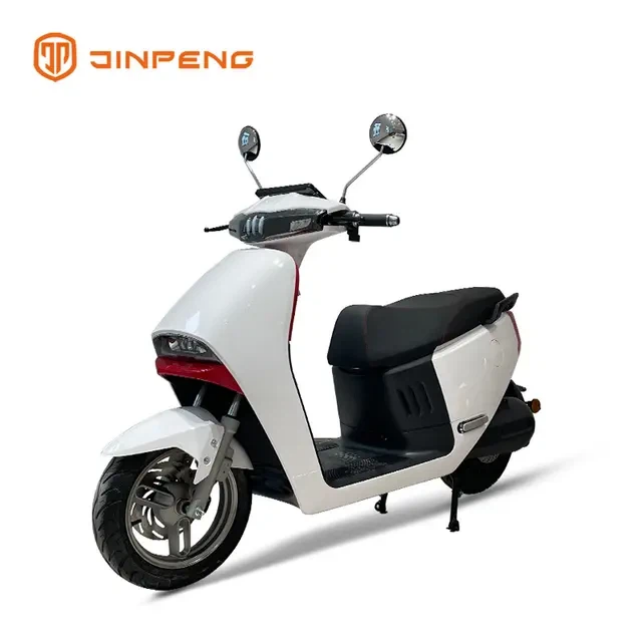
Not all electric vehicles are built with the same purpose or regulatory considerations. Understanding the differences between EEC vehicles and ordinary electric vehicles helps buyers evaluate products more effectively.
Vehicles developed for EEC-related markets are typically designed with specific technical standards in mind. These standards may influence lighting systems, braking components, and other safety-related features.
Ordinary electric vehicles designed only for local use may not always follow these same design principles.
Another difference lies in the intended driving environment. Many EEC vehicles are developed for legal road use, which means they are built to operate safely in mixed traffic environments.
In contrast, some electric vehicles are designed primarily for private compounds, industrial facilities, or limited-use environments.
For importers and distributors, product documentation plays a major role in purchasing decisions. Vehicles developed for regulated markets usually come with detailed technical documentation that supports registration and approval processes.
This transparency increases buyer confidence and helps build long-term trust between suppliers and distributors.
Two electric vehicles may appear almost identical in photographs, yet their internal design standards and documentation may differ significantly. This difference can determine whether a vehicle can be sold or used in a particular market.
Because of this, experienced buyers rarely evaluate electric vehicles based on appearance alone.
Demand for EEC vehicles comes from several types of buyers, each with different goals and market strategies.
Importers often search for vehicles that align with regulatory expectations so that their products can enter new markets smoothly. Compliance-oriented vehicle designs simplify the approval process and reduce uncertainty.
Dealers frequently introduce compact electric vehicles to serve customers seeking practical transportation. Vehicles in the EEC category often fit this role because they combine manageable size with road-ready design.
Fleet operators, small transport services, and local mobility programs often look for electric vehicles that balance efficiency and practicality. Compact electric cars and tricycles can provide useful solutions for short-distance travel or delivery services.
Some buyers simply want vehicles that combine daily usability with the assurance that they meet the expectations of regulated markets. These customers often value durability, simple operation, and clear documentation.
Learning what EEC cars truly represent can save time and resources when evaluating electric vehicle options.
Vehicle appearance rarely reveals the full technical story. Two vehicles may look similar but differ in structural design, electrical configuration, and documentation.
Low prices can be attractive, but buyers must also consider whether the vehicle meets the requirements of their intended market. Products that lack the necessary design standards may create challenges later.
The most successful buyers start by defining how and where the vehicle will be used. Once the intended application and market requirements are clear, choosing the appropriate vehicle type becomes much easier.
Term | Main Focus | Typical Buyer Concern | Why It Matters |
EEC Cars | Compliance and road-ready design | Market entry and registration | Helps ensure vehicles fit regulated markets |
Standard Electric Vehicles | Basic electric mobility | Price and simple transport | Suitable mainly for limited-use environments |
Understanding the concept behind electric vehicles designed for regulated markets helps buyers make more informed decisions about mobility solutions. Rather than describing a single product, the term often represents a category of electric vehicles developed for practical road use and compliance-focused markets. For distributors and fleet operators exploring these solutions, JP Jinpeng offers a comprehensive lineup that includes EEC electric cars, motorcycles, and tricycles. As a global leader in electric vehicle manufacturing, JP Jinpeng supplies reliable mobility products to more than 100 countries and regions, helping businesses and communities adopt efficient electric transportation.
If you would like to learn more about available models or discuss suitable solutions for your market, contact us to explore how JP Jinpeng electric mobility products can support your project.
EEC usually refers to vehicles designed to meet certain regulatory and road-use requirements associated with regulated markets. These vehicles are developed with compliance considerations in mind.
No. The category can include several vehicle types such as compact electric cars, electric motorcycles, and electric tricycles designed for passenger or cargo use.
Distributors often look for these vehicles because they are developed with regulatory standards in mind, making it easier to introduce them into certain markets.
Yes. Many electric tricycles are designed for cargo transport or passenger services, making them suitable for delivery operations, local transport, and small business applications.


