

Views: 0 Author: Site Editor Publish Time: 2026-03-23 Origin: Site


Interest in electric mobility continues to grow worldwide, but the attention surrounding eec cars advantages is not simply about vehicles being electric. Buyers increasingly recognize that these vehicles combine compact design, flexible applications, and practical transportation benefits that fit modern mobility needs. Understanding eec cars advantages helps distributors, project developers, and transportation planners see why these vehicles are becoming more visible in urban mobility discussions and commercial transportation planning.
One of the main reasons buyers notice these vehicles is their ability to address everyday mobility challenges. Urban transportation environments require vehicles that are efficient, flexible, and easy to operate in crowded conditions.
Modern cities face constant congestion and limited parking availability. Large vehicles often struggle in narrow streets or dense neighborhoods. Compact electric vehicles offer a practical alternative because their smaller footprint allows them to move through traffic more easily.
Drivers can park them in spaces that would be difficult for larger vehicles. This advantage becomes particularly important in urban centers where parking space is limited and traffic conditions are unpredictable.
Most daily travel does not involve long highway journeys. Instead, people travel relatively short distances between homes, workplaces, stores, and local services. Compact electric mobility solutions are designed specifically for this type of transportation.
Vehicles such as EEC electric cars or motorcycles perform efficiently in these scenarios because they are optimized for local routes rather than long-distance travel.
Individuals who rely on vehicles for daily commuting benefit from simple and efficient mobility solutions. At the same time, local businesses such as delivery services or community transportation operators can reduce operational complexity by using compact electric vehicles designed for frequent short trips.
Another reason buyers pay attention to these vehicles is the wide range of formats available within the category.
Unlike traditional vehicle categories that focus on a single structure, the EEC mobility segment includes several types of vehicles. Electric cars provide enclosed passenger travel, motorcycles emphasize agility, and tricycles offer versatile cargo or passenger transport.
This diversity allows distributors and transportation providers to build product portfolios that serve different customer groups.
Dealers often face a challenge when trying to meet the needs of multiple customer segments. Some customers require comfortable personal transportation, while others need practical cargo solutions.
Offering several vehicle types allows distributors to respond to these varied demands without relying on a single product format.
Vehicles that can serve multiple use cases naturally become more attractive to buyers. A compact electric car might serve private users, while an electric tricycle could support delivery operations. This flexibility helps distributors expand their potential market reach.
Beyond physical design and application flexibility, compliance considerations also play an important role in attracting buyer interest.
Vehicle purchases often involve long-term planning. Buyers must consider whether a vehicle will meet local regulatory requirements, operate safely in traffic environments, and support future market expansion.
Compliance-oriented vehicle designs help address these concerns by aligning the product with recognized technical expectations.
Many international distributors seek vehicles that can be introduced into regulated markets with minimal difficulty. Vehicles designed with compliance in mind can help simplify approval procedures and support smoother product entry.
This alignment becomes particularly important for businesses that intend to sell vehicles in multiple countries or regions.
Clear product documentation provides confidence to buyers and regulatory authorities. When vehicles are designed with certification considerations, distributors can more easily present the necessary information during product evaluation or market entry discussions.
Electric mobility itself offers several benefits that contribute to the growing attention surrounding these vehicles.
Electric vehicles generally rely on fewer mechanical components compared with traditional internal combustion vehicles. This simplified mechanical structure can reduce routine maintenance requirements and operational complexity.
For businesses managing vehicle fleets, reduced maintenance can translate into more predictable operational planning.
Electric drivetrains typically provide smooth acceleration and quiet operation. These characteristics improve the driving experience, particularly for short-distance urban travel.
Drivers appreciate the responsive performance and reduced noise levels when navigating crowded streets or residential areas.
Vehicles used for repeated local routes benefit from predictable energy consumption and simple recharging routines. Electric vehicles can operate effectively in environments where daily travel distances remain consistent.
This makes them suitable for applications such as urban commuting, local delivery, and neighborhood transportation services.
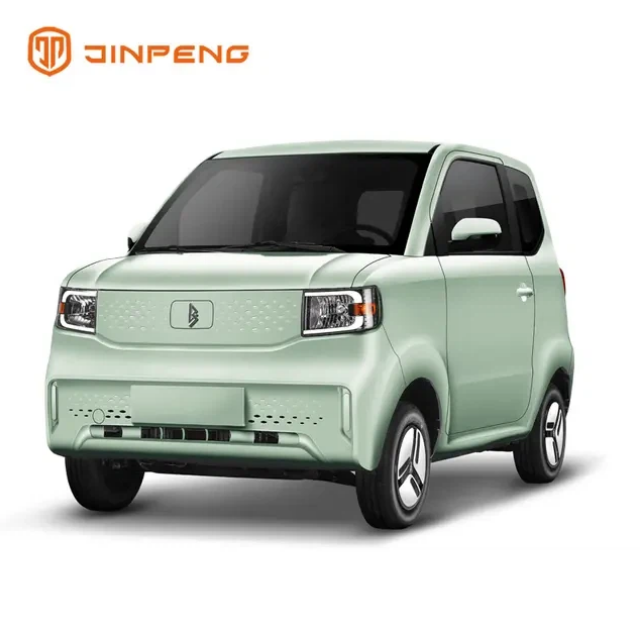
Vehicle design influences both the comfort level and operational capability of electric mobility solutions.
Compact electric cars provide enclosed cabins that protect drivers and passengers from weather conditions. Rain, wind, and temperature variations have less impact on travel comfort when the vehicle structure includes protective features.
This design makes electric cars particularly attractive for users who prioritize comfort in daily travel.
Motorcycles remain one of the most agile vehicle formats available. Their lightweight structure allows riders to move quickly through traffic and access areas where larger vehicles may struggle.
For riders navigating busy city streets, this maneuverability can significantly improve travel efficiency.
Electric tricycles offer a unique balance between stability and flexibility. Passenger versions provide seating arrangements for local transport services, while cargo versions support logistics and delivery operations.
This versatility allows businesses to select vehicle configurations that align with their operational needs.
Distributors and project developers often evaluate vehicles based on how effectively they support market growth and operational efficiency.
Offering several vehicle types allows distributors to serve a wider customer base. Personal users, delivery operators, and fleet managers may all require different transportation solutions.
Providing a diverse product lineup helps businesses meet these varying demands.
Vehicle diversity also allows dealers to segment their offerings into clear categories. Entry-level mobility solutions can target private users, while cargo vehicles serve logistics companies.
This segmentation helps distributors organize their product strategies more effectively.
Many markets benefit from mobility products that address multiple price levels and application scenarios. Electric mobility solutions allow distributors to build product portfolios that range from simple commuter vehicles to practical commercial transport options.
JP Jinpeng Group has developed a comprehensive lineup of electric vehicles designed for these diverse needs. As a global leader in electric tricycle manufacturing, the company provides electric mobility products that support transportation solutions in more than 100 countries and regions.
Despite the advantages associated with electric mobility, buyers should still evaluate their specific requirements before selecting a vehicle.
Different markets have different transportation challenges. Climate conditions, road infrastructure, and local regulations may influence which vehicle features are most valuable.
The most important vehicle features are those that directly support the intended transportation task. For example, cargo capacity may be essential for delivery operations but less relevant for personal commuting.
Selecting a vehicle based on the number of features alone rarely leads to the best outcome. Instead, buyers should focus on how well the vehicle aligns with its intended use.
Advantage | What It Means in Practice | Who Benefits Most |
Compact size | Easier navigation and parking in cities | Urban commuters |
Multiple vehicle types | Cars, motorcycles, and tricycles available | Distributors and dealers |
Electric drivetrain | Smooth operation and reduced mechanical complexity | Fleet operators |
Cargo versatility | Tricycle models support goods transport | Delivery businesses |
Comfortable travel | Enclosed cabins protect passengers | Personal users |
The growing visibility of electric mobility benefits reflects a broader shift in how people and businesses approach transportation solutions. Instead of focusing solely on traditional vehicles, buyers increasingly recognize the value of compact electric mobility products that combine flexibility, efficiency, and practical usability. JP Jinpeng Group continues to support this transformation by providing a wide range of electric vehicles, including EEC electric cars, electric motorcycles, and electric tricycles. With products distributed in more than 100 countries and regions, JP Jinpeng helps partners develop reliable transportation solutions that meet modern mobility needs. For more information about electric vehicle solutions or available product models, contact us to explore how JP Jinpeng electric mobility products can support your business.
The main advantages include compact vehicle size, flexible mobility solutions, lower operating complexity, and suitability for short-distance travel in crowded city environments.
Electric tricycles provide strong cargo capacity, stable handling, and efficient operation for delivery services and local logistics.
Yes. Electric cars typically include enclosed cabins that protect passengers from weather conditions, making them more comfortable for daily commuting.
Different customers require different mobility solutions. Offering cars, motorcycles, and tricycles allows distributors to serve personal users, delivery businesses, and fleet operators within the same market.


