Practical transportation decisions are rarely about technology alone. Buyers usually begin with a real mobility challenge such as moving people efficiently through crowded streets, delivering goods in dense neighborhoods, or providing convenient transport within communities. That is why understanding eec cars use is far more valuable than simply knowing the vehicle definition. When buyers explore eec cars use, they are really trying to identify where these vehicles create practical value in everyday environments and which situations benefit most from compact electric mobility solutions.
Why Use Case Should Come Before Model Selection
Many buyers initially search for vehicles by model, appearance, or specifications. However, successful mobility planning usually starts with understanding the transportation task itself.
A Good Vehicle Can Still Be the Wrong Solution
Even a well-designed electric vehicle may fail to perform effectively if it is used in the wrong environment. A compact electric car might provide excellent comfort but may not be ideal for cargo-heavy operations. On the other hand, a delivery-focused tricycle might handle goods perfectly but may not meet passenger comfort expectations.
Understanding the intended use ensures that the vehicle supports the job rather than creating new limitations.
Why Daily Route, Road Type, and Load Pattern Matter
Transportation patterns vary widely between cities, neighborhoods, and businesses. Some routes involve narrow urban streets and frequent stops. Others require longer distances or the movement of goods rather than passengers.
Electric vehicles designed for compact urban mobility often perform best when the route structure matches their strengths. Short-distance travel, frequent stops, and local distribution routes are environments where these vehicles can operate efficiently.
Why Application Thinking Leads to Better Purchasing Decisions
When buyers begin with application analysis instead of vehicle appearance, they can evaluate options more realistically. This approach helps identify the right vehicle category and ensures that the product will deliver long-term operational value.
Urban Commuting Is One of the Strongest Use Cases
Cities around the world face increasing congestion, limited parking space, and rising transportation costs. Compact electric vehicles address many of these challenges.
Why Compact Electric Mobility Works Well in Crowded Cities
Urban environments often require vehicles that can navigate narrow streets and heavy traffic while remaining easy to park. Compact electric vehicles are particularly effective in these situations because they occupy less space than traditional automobiles.
Their manageable size allows drivers to move efficiently through dense urban areas without sacrificing convenience.
When an EEC Electric Car Makes More Sense Than Larger Vehicles
For commuters who prioritize comfort and weather protection, compact electric cars provide a practical solution. Their enclosed cabins protect drivers and passengers from rain, wind, and temperature changes while maintaining the compact design necessary for city driving.
These vehicles are often used for daily commuting, neighborhood errands, and short-distance travel.
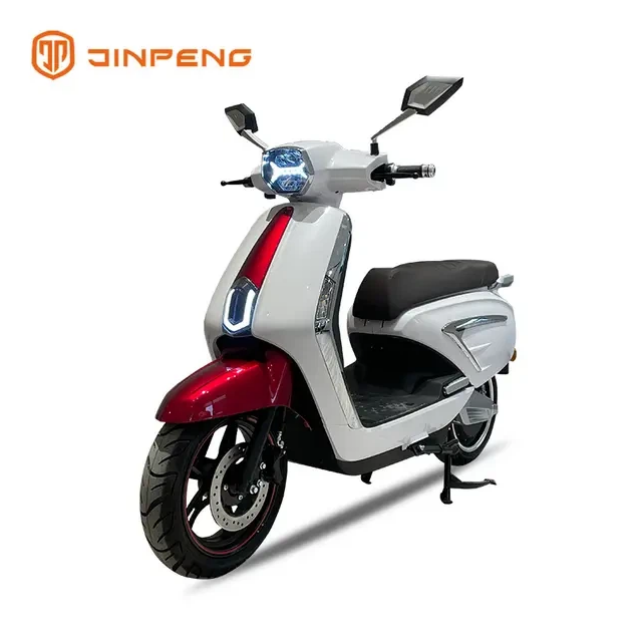
When an EEC Electric Motorcycle Offers Better Flexibility
Motorcycles remain one of the most efficient ways to travel through congested urban environments. Their lightweight structure allows riders to navigate narrow streets and find parking more easily than larger vehicles.
Electric motorcycles are especially useful for individuals who prioritize agility and quick travel across short urban routes.
Local Business Transport Creates Another Major Demand
Beyond personal commuting, electric mobility also plays an important role in local commercial operations.
Neighborhood Retail and Local Delivery
Small retail businesses frequently require efficient transport for short-distance deliveries. Electric vehicles offer a cost-effective way to move goods between stores, warehouses, and customers within a city.
Because these trips are usually short and frequent, compact electric vehicles fit naturally into these delivery patterns.
Food, Parcel, and Service-Based Short-Route Operations
Restaurants, courier companies, and service providers rely heavily on vehicles that can operate efficiently in urban environments. Electric vehicles reduce fuel costs and provide reliable performance for repetitive short routes.
Electric motorcycles and tricycles are particularly useful in this sector because they can move quickly between locations while maintaining manageable operating costs.
Why EEC Electric Tricycle Models Are Often Practical Here
Electric tricycles combine maneuverability with cargo capacity. Their three-wheel structure provides stability while allowing a larger storage area for goods.
This makes them an ideal choice for businesses that require a reliable delivery vehicle without the expense or size of traditional commercial trucks.
Personal and Family Short-Distance Travel Is Another Key Scenario
Many families and individuals seek transportation solutions that are simple, efficient, and suitable for local travel.
School Runs and Nearby Errands
Short daily trips such as school transportation or grocery shopping do not always require large vehicles. Compact electric cars can provide comfortable travel for these activities while reducing operating costs.
Because these trips often occur within a small geographic area, electric mobility solutions work particularly well.
Community Movement and Daily Convenience
In many residential communities, transportation needs revolve around short trips between homes, local shops, schools, and community facilities. Compact electric vehicles offer a convenient and environmentally friendly option for these daily movements.
Why Enclosed and Open Formats Serve Different Comfort Needs
Some users prioritize protection from weather conditions, while others prefer the simplicity of open vehicles. Electric cars typically provide enclosed cabins, while motorcycles and tricycles offer more open structures.
Each format addresses different comfort preferences and driving environments.
Tourism, Rental, and Light Commercial Mobility Can Also Benefit
Electric mobility solutions are increasingly used in controlled environments where convenience and simplicity are key priorities.
Why Compact Electric Vehicles Fit Controlled Environments
Tourism areas, resorts, and large campuses often require vehicles that can move people efficiently without generating excessive noise or emissions. Compact electric vehicles are well suited for these environments because they are quiet and easy to operate.
Why Easy Operation and Low Running Cost Matter in Rental Settings
Rental operators prioritize vehicles that are simple to drive and economical to maintain. Electric vehicles typically have fewer mechanical components than traditional gasoline vehicles, which can reduce maintenance requirements.
These characteristics make them attractive for rental fleets and shared mobility services.
Which Vehicle Styles Work Better for Passenger Experience
Passenger comfort plays an important role in tourism environments. Enclosed electric cars may provide a more comfortable experience for sightseeing or guided tours, while open vehicles can offer a more interactive travel experience.
How Climate, Road Condition, and Payload Change the Best Use Case
Environmental conditions influence which electric vehicle type performs best.
Enclosed vs Open Design
Regions with colder climates or frequent rain often benefit from enclosed vehicle designs. Drivers and passengers can travel comfortably regardless of weather conditions.
In warmer climates, open vehicle designs may provide sufficient comfort while maintaining simplicity.
Two-Wheel vs Three-Wheel vs Four-Wheel Balance
Vehicle stability and maneuverability vary depending on the number of wheels. Motorcycles provide maximum agility, tricycles offer a balance between stability and flexibility, and compact cars deliver greater passenger comfort.
Why Operating Context Matters More Than Catalog Photos
Vehicle images rarely reveal how a product performs in real-world conditions. Buyers should consider the operating environment, road quality, and transportation purpose before selecting a vehicle.
How to Match the Vehicle to the Task Instead of Forcing One Model Everywhere
Successful mobility planning focuses on selecting the right tool for each transportation challenge.
Start With Distance
Travel distance determines whether a vehicle needs extended range or simply efficient short-distance capability. Many compact electric vehicles are optimized for local routes rather than long-distance travel.
Then Consider People or Cargo
Transporting passengers requires comfort and seating capacity, while transporting goods requires cargo space and load stability. Identifying the primary purpose of the vehicle helps narrow the available options.
Then Consider Road Comfort and Weather Exposure
Driving conditions influence the final choice. Smooth urban roads may allow smaller vehicles to operate effectively, while rougher environments may require more stable vehicle structures.
Table: Best EEC Vehicle Type by Application
Use Scenario | Recommended Vehicle Format | Why It Fits |
Urban commuting | EEC Electric Car | Provides comfort and weather protection for daily travel |
City courier services | EEC Electric Motorcycle | High maneuverability for fast deliveries |
Local goods distribution | EEC Electric Tricycle | Large cargo capacity and stable structure |
Community transportation | EEC Electric Car or Tricycle | Balanced passenger capacity and practicality |
Tourism mobility | Compact Electric Car | Comfortable passenger experience |
Conclusion
When evaluating electric mobility applications, the most successful approach is to focus on the transportation task rather than the vehicle alone. Electric vehicles deliver the greatest value when their design matches the route, environment, and purpose of the journey. JP Jinpeng Group, a global leader in electric vehicle manufacturing, provides a wide portfolio of electric cars, motorcycles, and tricycles that support diverse mobility scenarios in more than 100 countries and regions. These vehicles help distributors, businesses, and communities adopt efficient transportation solutions tailored to their real operating needs. If you would like to explore suitable electric mobility options for your market or project, contact us to learn more about JP Jinpeng electric vehicle solutions.
FAQ
What are the most common eec cars use scenarios?
EEC vehicles are commonly used for urban commuting, local deliveries, neighborhood travel, tourism mobility, and short-distance business transportation.
Which EEC vehicle type works best for delivery services?
Electric tricycles are often preferred for delivery operations because they provide strong cargo capacity and stable handling for transporting goods.
Are EEC electric cars suitable for family travel?
Yes. Compact electric cars are often used for short family trips, daily errands, and local commuting due to their comfortable cabin design.
Why are EEC electric motorcycles popular in cities?
Electric motorcycles are lightweight and easy to maneuver, making them ideal for navigating congested streets and handling quick urban trips.


