Every buyer eventually reaches the same question when exploring electric mobility products: how do you make the right decision among so many vehicle options? The key to eec cars choose is not simply selecting the model with the most specifications or the lowest price. Instead, successful eec cars choose decisions come from understanding the purpose of the vehicle, the environment where it will operate, and the real transportation needs of users. When buyers approach vehicle selection with a clear structure, they can narrow down options quickly and identify electric vehicles that truly fit their mobility goals.
Start With What the Vehicle Needs to Do Every Day
Before comparing different vehicle models, buyers should begin by identifying the practical role the vehicle will play in daily operations. This approach ensures that the final decision aligns with actual transportation needs.
Personal Mobility or Commercial Use
One of the most important distinctions in vehicle selection is whether the vehicle will be used for personal transportation or commercial operations. Personal mobility vehicles often prioritize comfort, ease of driving, and convenience for daily travel.
Commercial vehicles, however, must handle operational tasks such as deliveries, passenger services, or local logistics. In these cases, durability and cargo capacity may be more important than personal comfort features.
Passenger Transport or Cargo Movement
The purpose of the vehicle also determines its structural requirements. Passenger vehicles typically require comfortable seating arrangements and stable driving performance.
Cargo-focused vehicles require sufficient storage space, strong load-bearing structures, and efficient operation for repetitive transportation tasks.
Short Urban Trips or Repeated Route Work
Travel patterns also influence the choice of vehicle. Some vehicles are primarily used for short urban trips such as commuting or errands. Others may operate on repeated routes such as delivery services or shuttle transport.
Understanding these travel patterns helps buyers determine which vehicle configuration will perform best in real-world use.
Choose the Right Vehicle Format Before Comparing Individual Models
Once the intended purpose of the vehicle is clear, the next step is selecting the most appropriate vehicle category. This decision often narrows the range of suitable models significantly.
When an EEC Electric Car Is the Better Fit
Compact electric cars are often the best choice for users who prioritize comfort and protection from weather conditions. Their enclosed cabin structures provide a familiar driving experience that resembles traditional passenger vehicles.
These vehicles are commonly used for commuting, family travel, and short-distance transportation within urban environments.
When an EEC Electric Motorcycle Is the Better Fit
Electric motorcycles provide excellent maneuverability and are particularly effective in congested city areas. Riders can navigate narrow streets, heavy traffic, and limited parking environments with greater flexibility.
For individuals who value agility and efficiency in dense urban environments, motorcycles offer a practical transportation solution.
When an EEC Electric Tricycle Is the Better Fit
Electric tricycles are widely used for cargo transportation and commercial delivery operations. Their structural design allows them to carry larger loads while maintaining stability and manageable vehicle size.
Passenger versions of electric tricycles are also used for local transport services, making them suitable for a variety of mobility scenarios.
Think About the Driver and Operating Environment
Vehicle selection should also consider the conditions in which the vehicle will operate. Environmental factors can strongly influence which type of vehicle performs best.
Road Conditions and Turning Space
Urban environments with narrow streets and tight turning areas often require compact vehicles with high maneuverability. Electric motorcycles and small electric cars perform well in these conditions because they can navigate restricted spaces easily.
Weather Exposure and Comfort Expectations
Climate conditions also influence vehicle choice. Regions with frequent rain, wind, or colder temperatures often benefit from enclosed vehicle designs that provide better passenger protection.
In warmer climates, simpler vehicle structures may still provide adequate comfort for everyday travel.
Parking and Storage Realities
Vehicle storage and parking availability should also be considered before purchasing a vehicle. Compact electric vehicles typically require less parking space and can be stored more easily in urban environments.
For businesses operating fleets, efficient vehicle storage can reduce logistical challenges and improve operational organization.
Match Product Priorities to Buying Priorities
Different buyers value different vehicle characteristics. Aligning product features with buyer priorities helps ensure that the chosen vehicle delivers long-term satisfaction.
Comfort
Comfort often plays an important role in passenger vehicles. Enclosed cabins, stable driving performance, and ergonomic seating can make daily travel more enjoyable.
Capacity
Cargo capacity becomes essential for businesses that rely on transportation for deliveries or service operations. Vehicles with larger storage areas support efficient goods movement.
Simplicity
Some buyers prefer vehicles that are easy to operate and maintain. Electric vehicles often provide simplified mechanical systems that support straightforward operation.
Versatility
Vehicles that can adapt to different tasks often provide greater long-term value. Electric tricycles, for example, can be configured for both passenger and cargo applications.
Business Usefulness
Commercial buyers typically evaluate vehicles based on their ability to support operational efficiency. Vehicles that reduce operating complexity and support reliable performance often become the most valuable assets.
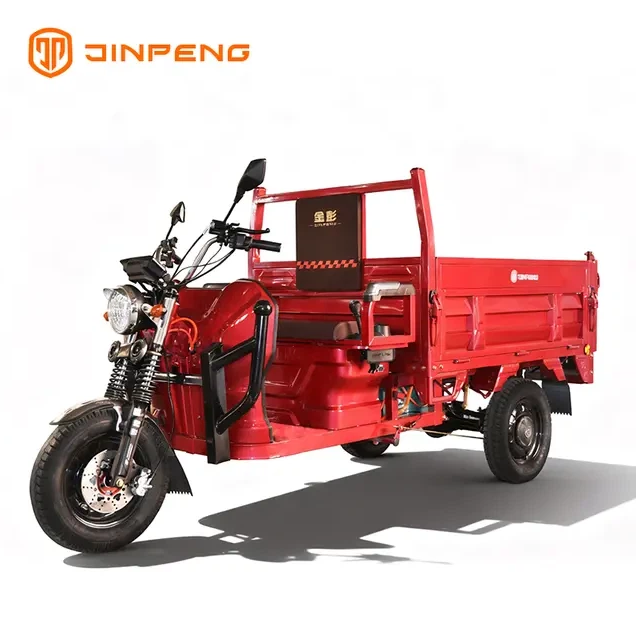
Look Beyond the Photo and Review the Product Details Carefully
Vehicle images and marketing materials provide an overview of a product, but careful evaluation requires examining the technical details as well.
Vehicle Configuration
Different models may include variations in seating arrangement, cargo capacity, battery configuration, or vehicle structure. These differences influence how the vehicle performs in real-world conditions.
Intended Use Category
Understanding the intended use category of a vehicle helps buyers determine whether it aligns with their specific transportation goals.
Product Documentation and Communication Clarity
Reliable suppliers provide clear technical documentation that helps buyers understand vehicle specifications and operational requirements. Clear communication during the evaluation stage can also help prevent misunderstandings later.
Why Small Details Often Decide Satisfaction Later
Minor design features such as storage layout, seating design, or control interfaces can significantly influence daily usability. Evaluating these details early helps buyers avoid disappointment after purchase.
Think About Future Scaling, Not Just the First Order
Vehicle selection should consider not only the current order but also potential future expansion.
Why Dealers May Need More Than One Vehicle Type
Many distributors serve diverse customer groups within the same market. Offering multiple vehicle categories allows them to address different transportation needs more effectively.
Why One Market May Contain Multiple User Groups
Urban commuters, delivery businesses, tourism operators, and local transport services may all require different types of vehicles. Recognizing these segments helps distributors plan their product portfolios strategically.
Why a Flexible Supplier Lineup Helps Long-Term Growth
Working with a manufacturer that offers multiple electric mobility products allows distributors to expand their product offerings as market demand evolves.
JP Jinpeng Group provides a comprehensive range of electric mobility vehicles, including electric cars, motorcycles, and tricycles. As a global leader in electric tricycle manufacturing, JP Jinpeng supplies electric vehicles to more than 100 countries and regions, supporting partners who seek practical transportation solutions across diverse markets.
Common Mistakes Buyers Should Avoid
Even experienced buyers can make mistakes when selecting electric mobility products. Recognizing these common issues helps ensure better purchasing outcomes.
Choosing Only by Low Price
Price is an important factor, but it should not be the only consideration. Vehicles that appear inexpensive initially may not deliver the performance or reliability needed for long-term use.
Ignoring Real Usage Conditions
Vehicle performance depends heavily on the environment where it will operate. Buyers should evaluate road conditions, climate factors, and operational patterns before selecting a vehicle.
Selecting the Wrong Format for the Job
Choosing a vehicle that does not match its intended purpose can lead to operational inefficiencies. Ensuring that the vehicle structure aligns with its primary function helps prevent these problems.
Treating All EEC Vehicles as Interchangeable
Different electric vehicles serve different mobility needs. Understanding these distinctions allows buyers to choose products that match their specific transportation goals.
Table: EEC Car Selection Checklist
Buying Question | Why It Matters | Best-Fit Vehicle Direction |
What is the main purpose of the vehicle? | Determines passenger or cargo design | Electric car for passengers, tricycle for cargo |
What type of roads will the vehicle use? | Affects maneuverability requirements | Motorcycle for dense traffic, car for stable travel |
How many people or goods will it carry? | Defines seating or storage capacity | Car or passenger tricycle for people |
What operating environment will it face? | Determines comfort and durability needs | Enclosed car for weather protection |
Conclusion
Making the right electric vehicle selection begins with clearly defining the transportation task and understanding the environment where the vehicle will operate. Once the purpose of the vehicle is clear, choosing the appropriate vehicle category becomes much easier. JP Jinpeng Group offers a diverse portfolio of electric vehicles, including EEC electric cars, motorcycles, and tricycles that support different transportation needs across global markets. With products distributed in more than 100 countries and regions, JP Jinpeng continues to provide practical mobility solutions for distributors, businesses, and communities worldwide. If you would like to explore suitable vehicle options or discuss electric mobility solutions for your market, contact us to learn more about JP Jinpeng electric vehicles.
FAQ
How do buyers usually start the eec cars choose process?
Most buyers begin by identifying the intended use of the vehicle, such as commuting, delivery services, or passenger transport, before comparing specific vehicle models.
Which EEC vehicle type is best for urban commuting?
Compact electric cars and motorcycles are both suitable for commuting. Cars provide comfort and protection from weather, while motorcycles offer greater maneuverability.
Why are electric tricycles often used for commercial applications?
Electric tricycles provide strong cargo capacity and stable driving performance, making them suitable for delivery services and small logistics operations.
What should buyers consider before selecting an EEC vehicle?
Buyers should evaluate travel distance, passenger or cargo needs, road conditions, and the operating environment to ensure the chosen vehicle matches its intended purpose.


