

Views: 0 Author: Site Editor Publish Time: 2026-08-23 Origin: Site


Urban mobility faces unprecedented shifts globally. Rising fuel costs squeeze budgets daily. Strict urban emission zones ban older vehicles from city centers. These pressures accelerate the adoption of the electric motorcycle rapidly. Both riders and retailers face a complex dual challenge. Urban commuters urgently need reliable, low-maintenance daily transit. Dealerships require inventory converting quickly on the showroom floor. They also demand minimal post-sale friction from their suppliers. Manufacturers often publish exaggerated performance claims. This aggressive marketing makes purchasing decisions confusing. We designed this guide to clear the confusion. We provide an evidence-based evaluation framework below. Our methods cut through misleading spec sheets. We help riders buy confidently. We also help dealers stock profitably. You will learn exactly what matters for modern urban commuting.
Real-world commuting range is typically 20-30% lower than ideal-condition spec sheets; evaluate battery capacity based on stop-and-go urban traffic patterns.
For commuter reliability, prioritize removable lithium-ion battery architectures and mid-drive motors over high-top-speed specifications.
Dealerships must evaluate OEM partners based on parts availability, diagnostic support, and warranty reimbursement realities, not just wholesale pricing.
Buyers often express deep skepticism on online commuter forums. Range anxiety remains the ultimate barrier for many new riders. Manufacturers typically test vehicles using the World Motorcycle Test Cycle (WMTC). These laboratory conditions rarely match actual city riding. A WMTC range implies perfectly smooth acceleration on flat surfaces. It assumes zero wind resistance. Real-world urban range involves constant, energy-draining stops at traffic lights. Rider weight drastically alters the final mileage. Cold weather drains lithium cells much faster. You should expect actual range to drop significantly below brochure promises. Planning your commute requires buffering this exact mileage drop.
Urban riders face severe charging infrastructure limitations. Many apartments completely lack dedicated garage charging stations. Fast Level 2 charging ports sound fantastic on paper. They require expensive, permanent parking infrastructure. This rarely suits a high-density apartment lifestyle. Urban riders should prioritize portable batteries instead. Removable packs offer unmatched flexibility. You simply carry them indoors. You plug them into a standard wall outlet. They charge safely next to your apartment desk. This approach eliminates public charging station dependency completely.
Defining the ideal commuter profile saves buyers endless frustration. A viable urban electric motorbike requires specific, non-glamorous traits. It must weigh under 300 lbs. This light footprint allows easy low-speed filtering through gridlocked traffic. Immediate low-end torque proves essential. It helps you escape dangerous blind spots quickly. You also need minimum IP67 weatherproofing. Rainstorms destroy poorly sealed core electronics. Commuters cannot avoid sudden weather changes. Solid waterproofing ensures you reach your destination securely.
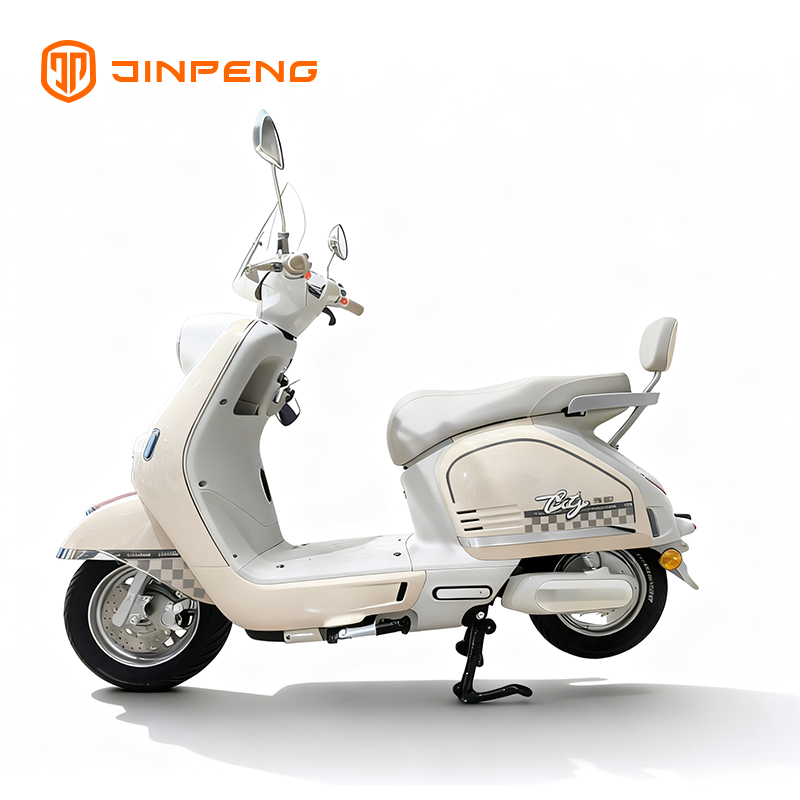
Evaluating internal hardware separates premium machines from disposable toys. Battery chemistry directly determines lifespan, safety, and replacement timelines. Most manufacturers use standard NMC (Nickel Manganese Cobalt) cells. NMC offers high energy density. It keeps the vehicle lighter and improves handling. Alternatively, LFP (Lithium Iron Phosphate) chemistry gains massive popularity. LFP provides exceptional thermal stability. It resists overheating during aggressive summer riding. It also delivers significantly more charge cycles. LFP packs outlast NMC equivalents by years. We built a comparison chart to simplify your selection.
Feature | NMC (Nickel Manganese Cobalt) | LFP (Lithium Iron Phosphate) |
|---|---|---|
Energy Density | High (Lighter overall weight) | Moderate (Heavier battery pack) |
Charge Cycles | 800 - 1,000 cycles | 2,000 - 3,000 cycles |
Thermal Stability | Good, requires careful management | Excellent, highly resistant to fires |
Replacement Timelines | Shorter lifespan | Superior longevity |
Motor architecture heavily impacts daily performance and routine maintenance. Manufacturers typically offer two primary designs. Hub motors sit directly inside the rear wheel hub. They are incredibly cost-effective to produce. They require zero drivetrain maintenance. You never clean or lubricate a chain. This design suits entry-level commuter models perfectly. However, hub motors make the rear wheel heavy. This affects suspension dynamics over deep potholes. Mid-drive motors mount lower in the frame. They offer vastly better weight distribution. They deliver superior handling on uneven city streets. They require occasional belt or chain tensioning. Enthusiasts prefer mid-drive setups for their balanced feel.
Ergonomics matter far more than aggressive, sporty styling. Practicality dictates a successful daily commute. Buyers often overlook built-in storage solutions. You need secure space for a helmet, laptop, or groceries. Upright riding geometry improves your traffic visibility immensely. It prevents lower back strain during long rides. Regenerative braking efficiency also deserves close attention. Smooth regeneration extends your daily range effortlessly. It simultaneously reduces brake pad wear. Choose models featuring adjustable regeneration settings. You can tailor the braking force to your specific route.
Focus on nominal continuous power rather than peak power claims.
Test the seat foam density for trips longer than 30 minutes.
Examine the charging brick size carefully. Heavy chargers ruin portability.
Dealerships face entirely unique challenges when adopting electric product lines. Auditing a manufacturer proves crucial before signing any stocking agreements. Never evaluate an OEM solely based on tempting wholesale pricing. Cheap inventory often becomes an expensive liability later. Focus heavily on domestic parts warehousing. Verify their lead times for replacement controllers or battery management systems. Extended downtime infuriates early adopters. Ensure your service team receives unlimited diagnostic software access. Locked software forces you to rely entirely on slow factory technicians.
Balancing margin and volume requires careful strategic planning. High-margin premium models attract dedicated enthusiasts into your showroom. These flagship bikes build vital brand prestige. However, fast-turning entry-level commuter stock actually pays the monthly overhead. A profitable dealer electric motorcycle lineup balances both ends effectively. You must offer affordable stepping stones. Buyers often purchase a cheap commuter first. They return two years later for a premium upgrade.
Street-legal compliance remains absolutely non-negotiable for legitimate retailers. You must navigate local DOT or ECE requirements rigorously. Uncertified lighting or braking systems trigger massive legal liabilities. Battery packs must hold recognized UL certifications. These safety ratings prevent showroom or residential fires. You must also ensure models match regional licensing tiers precisely. Some low-speed models qualify as moped-class vehicles. Customers can ride them using standard driver licenses. Higher-output models require a full motorcycle endorsement. Mismatched inventory severely shrinks your addressable local market.
Post-sale support defines long-term dealership profitability. Servicing electric vehicles requires a fundamental shift in workshop operations. Dealerships must select brands offering crystal clear warranty labor reimbursement. Vague warranty terms destroy your service department margins. OEMs must provide comprehensive technical training. Technicians transitioning from combustion engines need hands-on software guidance. They must learn high-voltage safety protocols. A reliable OEM treats you as a genuine partner. They answer technical support calls immediately. They ship replacement parts overnight.
Failing to cycle showroom batteries regularly, causing deep discharge damage.
Stocking uncertified models, risking massive compliance fines.
Ignoring the software diagnostic learning curve for veteran service technicians.
Both individual buyers and commercial dealers must follow systematic evaluation steps. Guesswork leads to severe financial regret in the evolving two-wheel EV sector. We structured specific checklists to guide your next moves logically.
For commuters, we strongly recommend a rigorous test ride checklist:
Test low-speed maneuverability. Check the throttle mapping smoothness while turning tightly in parking lots. Jerky throttles cause accidents in heavy traffic.
Evaluate suspension performance thoroughly. Ride over common urban obstacles intentionally. Hit speed bumps and small potholes. Assess how the frame absorbs sudden shocks.
Verify the true charging time. Do not trust the brochure entirely. Test a 20% to 80% charge cycle on a standard 110v or 220v outlet. Ensure it fits your workday schedule.
For dealers, we suggest a protective pilot order framework:
Request a small pilot order first. Purchase three to five units initially. This allows you to test assembly quality straight out of the crate.
Stress-test the OEM's warranty claim process. Simulate an initial real-world fault. Submit a mock claim. Time their response speed accurately.
Confirm local parts availability physically. Ask them to ship a replacement stator or controller. Measure the actual delivery days before committing to massive floor plan financing.
You must take decisive action today. Procrastination keeps you stuck paying high fuel prices. Commuters should explore a dedicated commuter motorcycle comparison tool. You can book a test ride at a local dealership. Dealers must act quickly to secure exclusive regional rights. Contact established B2B partnership portals immediately. Submit a wholesale inquiry to evaluate prospective OEM partners.
Choosing the perfect urban mobility solution demands a practical mindset. You must ignore theoretical top speeds entirely. Practical urban utility matters far more for daily riders. Features like removable batteries and upright ergonomics transform the riding experience. Robust after-sales support keeps riders moving reliably. A transparent, evidence-based approach protects everyone involved. It secures the rider's daily commute against unexpected failures. It simultaneously protects the dealer's local business reputation. Embrace these core principles today. You will navigate the electric transition with absolute confidence. The shift toward sustainable urban transit rewards those who choose wisely.
A: Modern lithium-ion batteries generally last between 5 to 8 years under daily urban commuting conditions. NMC chemistry packs typically handle 800 to 1,000 full charge cycles before noticeable degradation occurs. LFP batteries can exceed 2,000 cycles. Calendar aging also reduces capacity slightly each year, regardless of active usage.
A: Licensing depends entirely on your regional laws and the vehicle's top speed. Limited-speed mopeds or lower-wattage models often require only a standard driver's license. High-power models exceeding specific speed thresholds strictly require a full motorcycle endorsement. Always verify local regulations before purchasing.
A: Dead inventory is the most expensive hidden cost. Unresolvable controller software issues can ground a bike indefinitely. If your OEM lacks local parts availability, vehicles sit in your service bay for months. This destroys customer trust and ties up valuable floor plan capital.
A: Yes, they generally cost less to maintain. You eliminate oil changes, valve adjustments, and spark plug replacements entirely. However, the heavier weight of battery packs accelerates tire wear. You will likely replace tires and brake pads slightly more frequently than on a traditional gas scooter.


